Compare coverage and benefits to see if Healthy Paws is the right fit for your family.
Compare coverage and benefits to see if Healthy Paws is the right fit for your family
Learn how and why veterinary bills are increasing, and how a Healthy Paws plan can help.
Read stories of how Healthy Paws has protected pets like family and made peace of mind and more happy, healthy moments possible.
Rescue organizations across the U.S. received support for adoption efforts and ongoing care for vulnerable pets.
Make their food irresistible with the freshest nutritionally-balanced ingredients.
The Healthy Paws Community is a vibrant, social-first space for all pet lovers—whether you’re a Healthy Paws policyholder or simply passionate about pets. As a Pack Member, you can share your favorite pet photos and videos, connect with fellow pet parents, and stay informed with the latest Healthy Paws news and tips. It’s a welcoming place focused on connection, positivity, and celebrating the joy pets bring to our lives!
Everyday expenses for a pet now exceed $4,000 a year on average, according to new research. As prices continue to climb, pet owners face tough choices. Pet insurance can be a financial backstop against the unexpected.
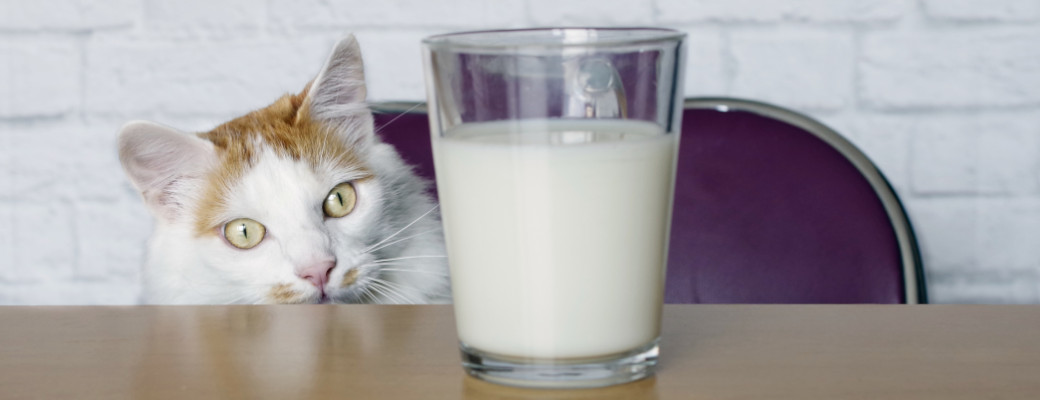
No doubt you’ve seen it before: the iconic image of a cat lapping at a shallow dish of milk. Cats have often been portrayed drinking milk in old folk tales, movies, and picture books. So that means milk is good for cats, right? Contrary to popular belief, the answer is a resounding no, regardless of the age or breed of the cat.
Think again before you offer a kitty a bowl of milk. Like humans, cats are lactose intolerant which means they cannot digest the lactose in cow’s milk. What happens when a cat drinks milk? After consuming milk, cheese, or any significant amount of dairy products, the undigested lactose will remain in a cat’s intestines and start to ferment. This leads to tummy troubles and diarrhea about 8 to 12 hours later—no fun for you or your cat!
Save your cat the (tummy) trouble and refrain from feeding him milk or dairy products altogether. Your cat will benefit the most from quality nutrition in the form of a well-balanced cat food, and perhaps the occasional healthy treat like cooked shrimp.
It’s true that kittens younger than 8 weeks of age still have the lactase enzyme which allows them to digest the lactose in their mother’s milk. However, it does not mean that cow’s milk is good for a kitten. When faced with the situation of a hungry kitten that has been separated from its mother, look for a mother’s milk replacement which can be purchased from pet stores. This will provide the kitten with the nutrients he needs.
If milk is bad for cats, how did the myth of cats drinking milk become so widespread? It’s believed to have originated on farms: milk fresh from a cow is warm (and we all know cats love warm things!), and the cream rises to the top. Farm cats were likely drawn to the fatty cream and could be caught lapping it up from the milk pails. Consisting mostly of fat, cream contains lower levels of lactose than milk. However, most milk purchased from a grocery store today has a lower fat content, which means more lactose to upset a kitty’s tummy. Modern veterinary care has taught us that all dairy products can be problematic for cats, so it’s best not to share any milk with a cat, regardless of the fat content.
If you come across a thirsty kitty, the best thing you can give them is water. Most cats tend not to drink enough water anyway, which is why it’s recommended to feed them wet food or purchase a water fountain to encourage them to drink. Plus, there are better ways to treat your cat than with milk. Share a bite of cooked meat, fish, or commercial cat treats.
Stacy Painter
Stacy has always been an animal lover and has worked in the pet industry and pet insurance specifically for over a decade. As a writer since early childhood, content writing for Healthy Paws pet insurance was a natural career path to combine her two passions. She currently lives in Florida with her boyfriend and Taiwanese rescue dog, Kaya.